

Finding the Real Cause of an Overheating Engine
Summer heat has a way of exposing weaknesses that cooler weather can hide, especially inside a vehicle’s cooling system. A temperature gauge that starts climbing, steam near the hood, or the sharp smell of coolant can turn a normal drive into a stressful situation very quickly. When that happens, radiator repair may be only part of the solution, because overheating can also come from a faulty thermostat, a slow leak, or another circulation problem. The safest approach is to have the entire system checked carefully, so the real cause is found before excessive heat has the chance to damage more expensive engine components.
A radiator has one simple but demanding job, it must help remove heat from the coolant before that fluid returns to the engine. Over time, corrosion, damaged fins, internal blockages, or cracks can reduce how effectively it performs. A small leak may also lower the coolant level little by little, sometimes without leaving an obvious puddle beneath the car. That gradual loss matters because the system needs the correct amount of fluid to carry heat away. Professional technicians can pressure-test the system, inspect hoses and connections, and check whether the radiator is actually transferring heat as it should rather than relying on appearance alone.
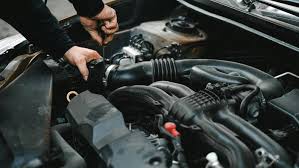
The thermostat is another small component that can create a surprisingly large problem. It controls when coolant begins circulating through the radiator, opening as the engine reaches its operating temperature. When it becomes stuck closed or only opens partially, hot coolant may remain trapped in the engine and temperatures can rise quickly. A thermostat problem can sometimes mimic other cooling faults, which is why replacing parts based on symptoms alone is rarely a good idea. Testing the system helps separate a thermostat issue from restricted flow, low coolant, fan problems, or other causes that can produce similar warning signs.
Coolant leaks deserve the same level of attention because they are not always easy to spot. Fluid can escape from a hose, water pump, radiator, reservoir, gasket, or connection, and some leaks appear only when the system is hot and pressurized. Drivers may first notice a sweet smell, a low coolant warning, or the need to top up the reservoir more often than usual. Those clues should not be ignored. A reliable repair shop can inspect the system under the right conditions, trace the leak to its source, and explain which repairs are necessary before the vehicle is exposed to another long, hot drive.
Once an overheating problem has been diagnosed properly, the radiator repair should restore dependable temperature control rather than simply make the warning disappear for the moment. Whether the vehicle needs a new thermostat, a hose replacement, coolant service, or radiator repair, skilled technicians can make sure the affected parts are installed correctly and the system is tested afterward. That final check matters, especially during summer, when traffic, air conditioning, and high outside temperatures place extra demand on cooling components. Addressing the cause early can help prevent breakdowns, protect the engine from heat-related damage, and give drivers far more confidence when the next hot day arrives.