

Understanding Tension and Movement Can Lead to More Informed Care Choices
People are becoming more aware of the way their bodies respond to work, exercise, stress, sleep, and everyday movement. A stiff shoulder after hours at a computer, tight hips after sitting, or a back that feels restricted after physical activity may no longer be brushed aside as something to simply tolerate. For those interested in hands-on care, the team at BPR Method Chiropractic can assess areas of tension, mobility, and movement to better understand what may be contributing to discomfort. Manual therapy appeals to many people because it focuses directly on how muscles, joints, and soft tissues are functioning, while also encouraging greater awareness of the body.
One reason interest has grown is that manual therapy can be adapted to different needs. Someone recovering from a period of inactivity may have very different concerns from an active person dealing with tightness after training. Others may simply notice that certain movements feel harder than they used to. A practitioner can use hands-on techniques to evaluate how tissues respond, where motion seems limited, and whether particular areas are carrying more tension than expected. That information can help shape a care plan that feels relevant to the person rather than based on a fixed routine. This individualized quality is often what makes the experience feel more practical and personal.
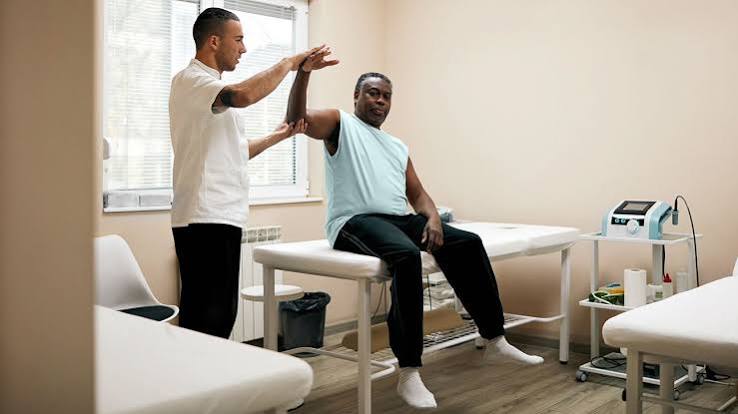
Modern lifestyles also create plenty of opportunities for the body to become uncomfortable. Many jobs involve remaining in one position for long stretches, while leisure time can add even more sitting. On the other hand, physical occupations and demanding exercise routines may repeatedly load the same areas. Manual therapy may be used to work with muscles and soft tissues, improve certain aspects of mobility, and support more comfortable movement when appropriate. It can also encourage people to notice patterns they had previously ignored, such as always favoring one side or feeling restricted during a particular task.
Another reason people seek manual therapy is that they often want to take a more active role in managing how they feel. Hands-on treatment can be combined with stretching, mobility work, strengthening, or changes to everyday movement habits. Rather than viewing one appointment as the entire solution, many people appreciate learning what they can do between visits to support progress. A thoughtful practitioner may explain why certain areas feel tense, discuss how daily routines could be influencing movement, and suggest realistic steps that fit the person’s lifestyle. That educational element can make care feel less mysterious and easier to understand.
The growing popularity of manual therapy reflects a broader change in how people think about physical well-being. Instead of waiting until stiffness or limited movement becomes difficult to ignore, many are choosing to investigate those changes earlier and understand what their bodies may need. For people exploring this type of care, the team at BPR Method Chiropractic can provide an assessment and discuss whether manual therapy fits their individual concerns and goals. When hands-on treatment is paired with sensible movement habits and realistic expectations, it can become a useful part of maintaining mobility, comfort, and greater awareness of how the body responds to daily life.