

Finding Rock Crushers for Different Materials and Production Requirements
A Wider Inventory Gives Buyers More Room to Choose
Choosing crushing equipment becomes much easier when buyers have enough options to compare instead of trying to make one machine fit every situation. Quarry operations, recycling facilities, construction crews, and aggregate producers can all face very different material and production demands. When looking through Rock Crushers For Sale, it helps to compare machines according to the work they will actually perform, not simply by price or overall size. Feed dimensions, material hardness, expected output, mobility, and available site space can all influence the decision. A wider equipment inventory gives buyers more room to find a machine that fits current needs without creating unnecessary limitations later.
Material type is one of the biggest factors because different rocks and recycled products behave differently during crushing. Hard, abrasive stone may place greater demands on wear parts, while softer material may be processed effectively with a different setup. Concrete, demolition debris, natural rock, and mixed aggregates can also vary in shape, density, and moisture content. These differences affect feed preparation, crushing efficiency, and the quality of the finished material. Having access to several crusher types allows buyers to compare designs and specifications more carefully. It also reduces the chance of selecting equipment that performs well in one application but struggles when conditions change.
Production requirements matter just as much as material characteristics. Some businesses need equipment for occasional jobs, while others process large volumes every day. A machine with more capacity than necessary can increase fuel use, transport costs, and purchase expense without creating a meaningful benefit. At the same time, equipment that cannot keep up can slow the entire operation. Buyers should consider average feed volume, required output size, operating hours, and how the crusher will work with conveyors, screens, loaders, or other machinery. Looking at the whole production process often reveals which capacity range makes the most practical sense.
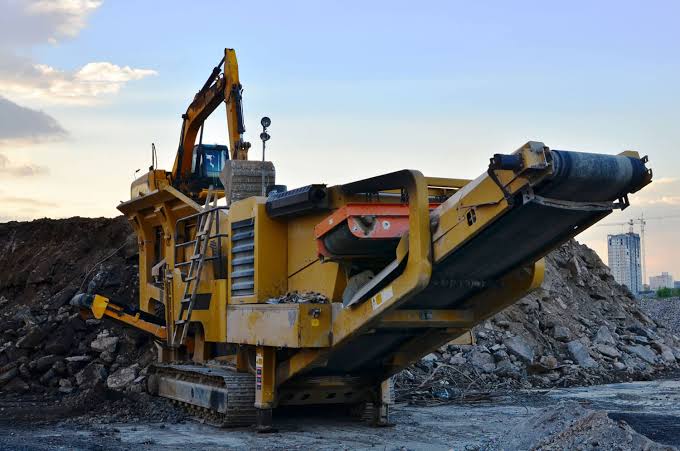
Mobility and condition can narrow the choices even further. Contractors working on changing job sites may prefer tracked or portable units that are easier to reposition, while permanent processing facilities might place more importance on steady output and integration with existing systems. New and used equipment can both offer advantages, depending on budget and operating expectations. When comparing pre-owned machines, service history, wear components, operating hours, and parts availability deserve attention. A responsible supplier can also help explain the differences between models, which is especially useful when several machines appear similar from a specification sheet alone.
A broad selection ultimately gives buyers something valuable, flexibility. Instead of settling for the first available machine, businesses can compare capacity, configuration, age, condition, mobility, and operating requirements in one search. While reviewing Rock Crushers For Sale, it is worth thinking about tomorrow’s workload as well as today’s projects. Production may increase, materials may change, or new contracts may require equipment with different capabilities. Choosing from a larger inventory makes it easier to balance immediate needs with future plans. The right crusher should fit naturally into the operation, support reliable material flow, and provide enough capability to remain useful as the business develops.